Rental Potential In Waterway Plantation For Investors
February 19, 2026
February 19, 2026
Thinking about buying a rental in Carolina Waterway Plantation and wondering if the numbers work? You are not alone. Investors are drawn to the waterway setting, gated feel, and access to Myrtle Beach. In this guide, you will see how short-term and long-term strategies pencil out, what rules and taxes apply, and how to model cash flow with realistic assumptions. Let’s dive in.
Carolina Waterway Plantation sits inside the high-traffic Grand Strand tourism market. The regional visitor bureau reports about 18.2 million visitors in 2024, with strong summer peaks that drive bookings for vacation rentals. You can review the visitor counts and seasonality from the regional tourism office in the Visit Myrtle Beach industry research section. The bureau’s reports outline big summer demand and lower winter occupancy.
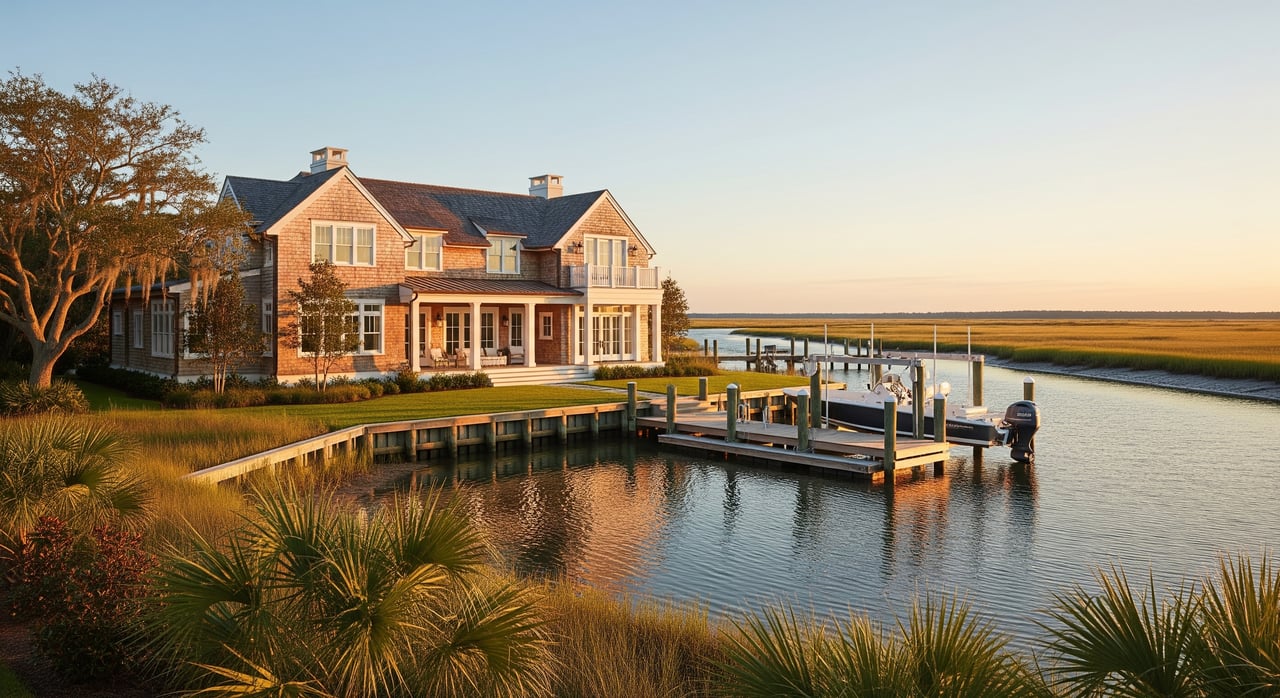
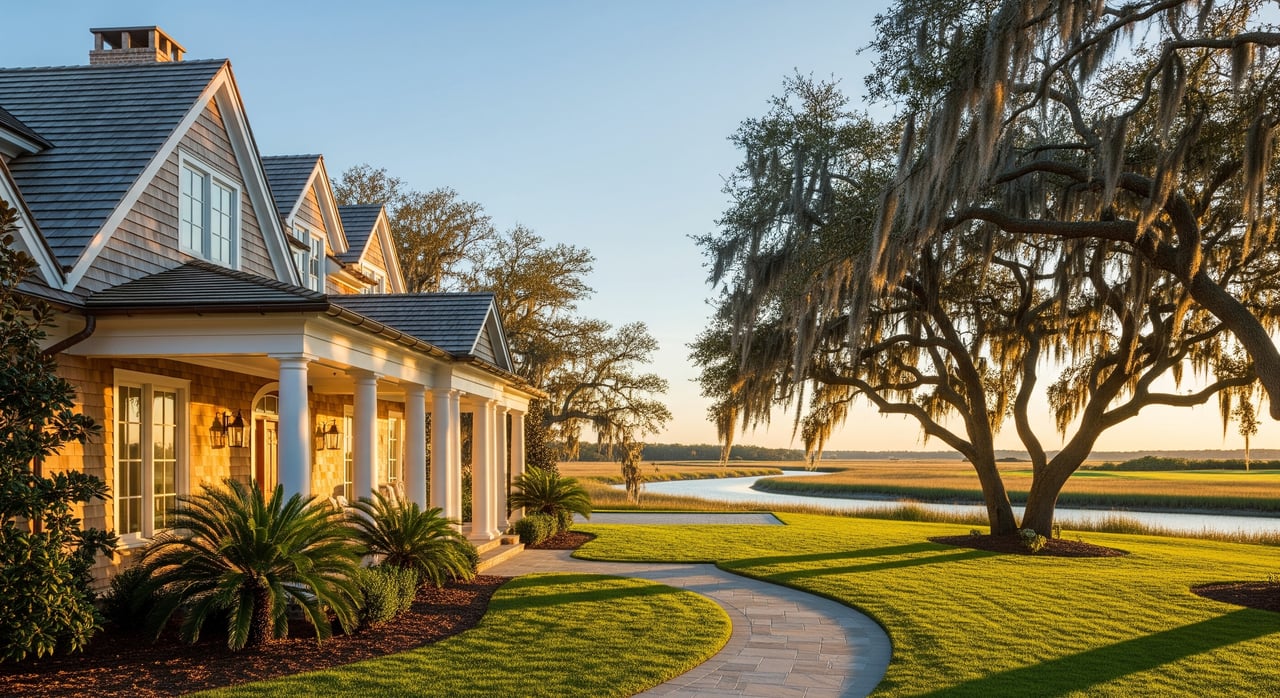
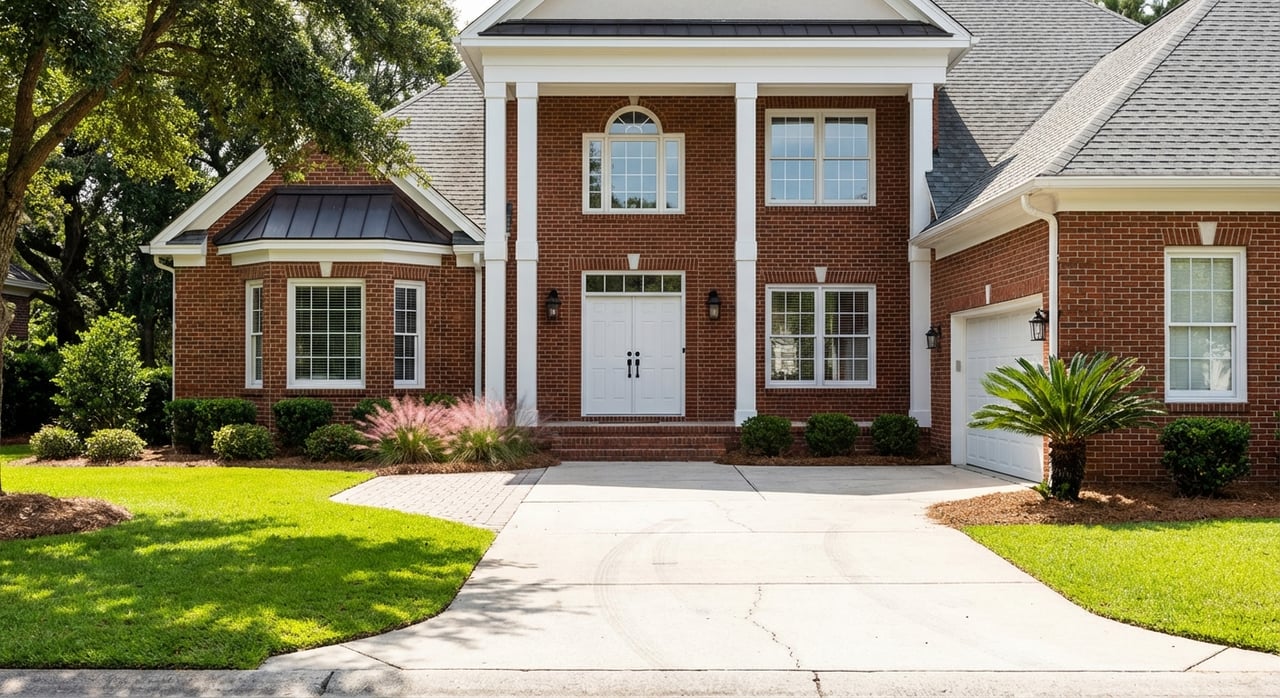
Most homes in this community are higher-end, single-family properties. Public neighborhood snapshots show a history of listing prices ranging from the mid $300s for interior lots to $1 million plus for waterfront customs, with many recent medians around $500,000 to $600,000 as of late 2025. You can confirm current pricing trends on the Carolina Waterway Plantation neighborhood profile. That price range affects returns, since carrying costs are higher than condo-heavy areas closer to the beach.
Short-term rental performance depends on exact location, finishes, and how you manage seasonality. Market dashboards for the greater Myrtle Beach area show an average daily rate in the mid $200s and occupancy in the mid 50 percent range in recent snapshots. Review the current figures and comps on the Myrtle Beach market overview, then adjust for your home’s size and waterfront status.
Short-term rentals can capture high summer rates and waterway premiums, but they carry setup costs, higher turnover, and compliance steps. You also face stiffer competition during shoulder seasons. In contrast, long-term rentals in the Carolina Forest area have steady year-round demand and simpler operations, though gross rent is usually lower than strong summer STR months.
If you value predictable cash flow and fewer moving parts, a long-term lease may be the right fit. If you want to optimize for peak-season income and can commit to guest service, a short-term strategy can work for the right property. Your decision should start with HOA rules, then move to realistic revenue comps and full cost modeling.
Below are simple illustrations you can tailor to a specific address. Replace each input with current HOA dues, taxes, insurance quotes, ADR and occupancy comps, and your loan terms. Figures reference public market snapshots as of late 2025.
Key takeaway: Single-family prices in this neighborhood can compress cap rates. Short-term rentals may produce more gross revenue than a long-term lease, but they also add operating complexity, seasonality, and regulatory costs. Always tighten these models with address-level ADR and occupancy comps from a local manager or the market dashboard above.
Start here. Carolina Waterway Plantation is an HOA community, and recorded covenants, phase-specific rules, or rental minimums can decide whether short-term stays are allowed at all. Ask for the full Declaration, current Rules and Regulations, and any rental policy before you make an offer. You can reference HOA details in Horry County parcel records. A sample property card shows the HOA entity and how documents are recorded in county systems. Review an example on the county’s land records portal at this Horry County property card. If the HOA cannot produce clear rental rules, do not assume short-term rentals are permitted.
If your property is in unincorporated Horry County, transient accommodations are subject to a county hospitality fee of 3 percent of gross proceeds. Review the official rate and filing rules on the Horry County hospitality fee page. South Carolina also requires accommodations and sales tax remittance, and many owners need a state Retail License if they collect payment directly. See the state’s guidance on the SC Department of Revenue accommodations page.
Most operators also need a local business license. If your rental activity occurs in the unincorporated county, confirm requirements with the county’s business licensing office. Start with the county’s Business License instructions and verify which jurisdiction your parcel is in.
At the state level, a short-term rental bill introduced for the 2025 session, S.442, could add or clarify local rules, permits, or responsible agent requirements. As of this writing, the bill was in committee. You can review the bill text and status on the South Carolina Legislature site. Check the final status before you buy, since rules can change operating costs and compliance steps.
Check flood zone and elevation for each address using FEMA’s Map Service Center. If a home is in a higher-risk zone, a lender may require flood coverage. Use the FEMA Flood Map tool and ask for any Elevation Certificate on file. In coastal South Carolina, owners also budget for wind and hurricane coverage. Flood premiums vary by zone and elevation, and statewide averages can range from several hundred dollars to more than a thousand annually, with total coastal insurance often in the $800 to $3,500 plus range per year. See a general overview of flood insurance costs for South Carolina from Bankrate, then get property-specific quotes.
Lenders treat investment and STR-heavy properties differently from primary residences. Expect higher down payments and tighter underwriting for income-based loans. If you plan to use the home part-time, confirm how that affects assessment ratios and taxes.
Build your model with a full-year view. Here are common items to include:
Waterfront and waterway-facing lots tend to command higher rates and stronger click-through with guests. Homes near community amenities also benefit from easier marketing. Balance the premium you pay at purchase with the revenue you can actually capture.
For STRs, quality bedding, durable flooring, updated kitchens and baths, and outdoor seating can lift nightly rate and reviews. Reliable Wi-Fi, a dedicated work spot, and well-lit parking are simple wins. For long-term leases, focus on clean condition, neutral finishes, and functional storage.
Operator skill shows up in calendar density and repeat bookings. If you plan to self-manage, build a reliable cleaner and handyman roster. If you plan to hire, ask two local managers for address-level revenue estimates and owner references.
If you want to explore Carolina Waterway Plantation as an income property, start with HOA permission, then tighten your revenue comps to the exact address. From there, get quotes for insurance, taxes, and management so your model reflects real numbers, not just averages. When you are ready for on-the-ground guidance, comps, and a clear plan, connect with Karen Knight to move from research to smart action.
Stay up to date on the latest real estate trends.
Get assistance in determining current property value, crafting a competitive offer, writing and negotiating a contract, and much more. Contact Karen today.