Carolina Forest HOA Guide for Confident Buyers
January 1, 2026
January 1, 2026
Comparing Carolina Forest communities and wondering what HOA fees really cover? You are not alone. Many buyers relocating to the Myrtle Beach area want the amenities and curb appeal, but they worry about rules, dues, and surprises at closing. This guide breaks down what HOAs do, typical fee ranges, key documents to review, and red flags to watch for in Carolina Forest. Let’s dive in.
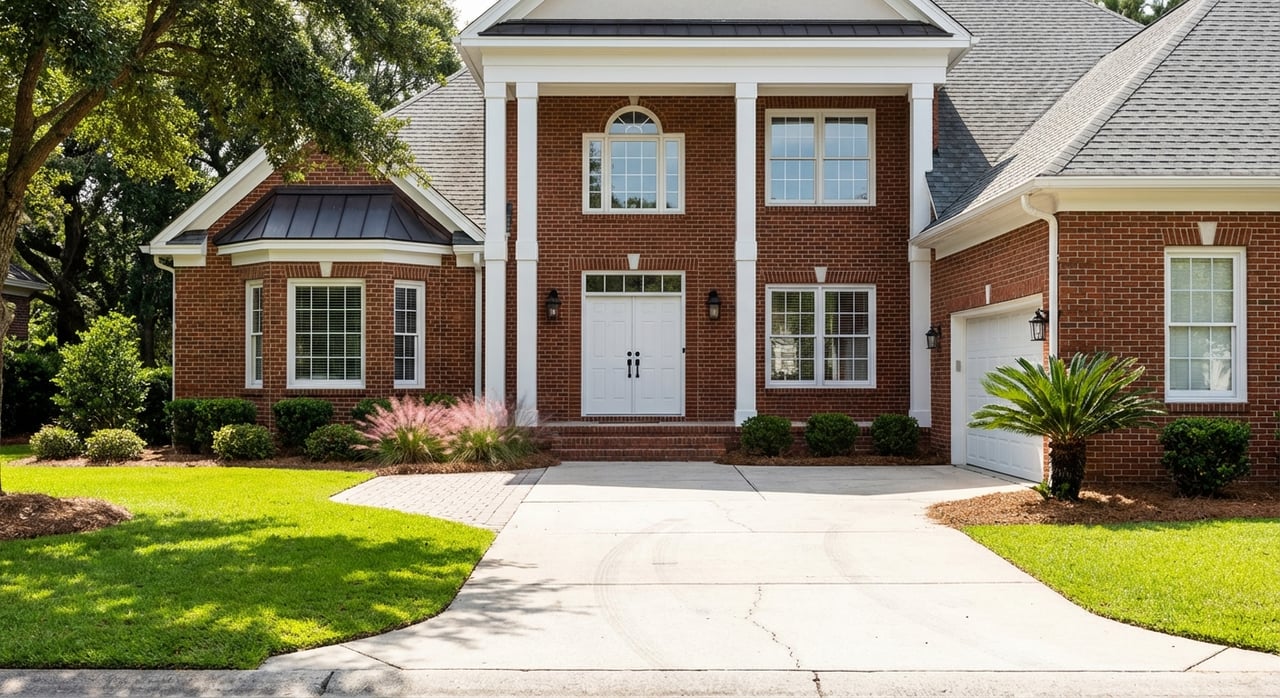
In Carolina Forest, most neighborhoods are part of a homeowners association that manages common areas and enforces recorded covenants, conditions, and restrictions. In larger, master-planned areas, you may see both a master association and smaller sub-associations for specific neighborhoods or buildings.
HOAs collect dues, set architectural standards, maintain amenities, and enforce rules. They can fine owners for violations, place liens for unpaid assessments, and, in some cases, foreclose for nonpayment based on governing documents and state law. Always verify the exact remedies in the covenants for the property you are considering.
Exact dues vary by community and property type. In the Myrtle Beach and Carolina Forest area, you will generally see these estimated ranges. Always confirm current amounts and coverage with each association.
What you pay should reflect what you get. Compare dues against included services like lawn care, irrigation, trash, common-area insurance, gate staffing, and amenity upkeep. Communities with on-site staff, gates, golf, or extensive facilities often have higher dues.
Most Carolina Forest communities use an Architectural Review Board or ACC to approve exterior changes. Expect to submit an application and plans for items like paint colors, fencing, sheds, pergolas, pools, and major landscaping. Review timelines can be around 30 days and may include a small fee.
Other common rules include lawn and exterior upkeep, limits on parking boats, RVs, and trailers, fence height and materials, and guidelines for exterior décor and signage. Pet rules can set limits on number or size, with leash and pickup requirements in common areas. Amenity use rules will cover hours, guest policies, and access credentials.
Because the Myrtle Beach area has a strong vacation rental market, rental policies can vary widely. Some communities restrict short-term rentals under 30 days, cap the share of homes that can be rented, or require tenant registration and board approval. If you plan to rent, review leasing restrictions and procedures before you make an offer.
Request these items early and review them before you remove contingencies or close:
An estoppel letter confirms the property’s HOA standing at closing. It shows current dues, any unpaid balances, pending special assessments, and transfer fees. This document helps prevent surprise charges and ensures the correct prorations at settlement. Secure it before closing and review it alongside the most recent budget and meeting minutes.
Build in time to review documents. An HOA document review contingency or attorney review window protects you if the rules or budget are not a fit. If you learn about pending assessments, exterior violations, or needed repairs, you can negotiate seller credits or require the seller to cure issues before closing.
If the association requires buyer approval or a background check, include timeline protections in your contract so your closing is not delayed. Should a special assessment be announced after you go under contract, use your contract’s allocation clauses to negotiate responsibility. For complex legal questions, consult a South Carolina real estate attorney.
Dues affect your monthly housing cost and your debt-to-income ratio. Add estimated HOA dues to your monthly budget when you compare homes. Consider what dues include. If lawn care, irrigation, trash, or exterior insurance are covered, your private costs may be lower compared to a home with minimal dues.
For condos, remember that monthly fees often include building insurance and maintenance you would otherwise pay out of pocket in a single-family home. Judge total cost, not just the fee line item.
If you encounter several of these, pause and reassess. You may need more information or a different community.
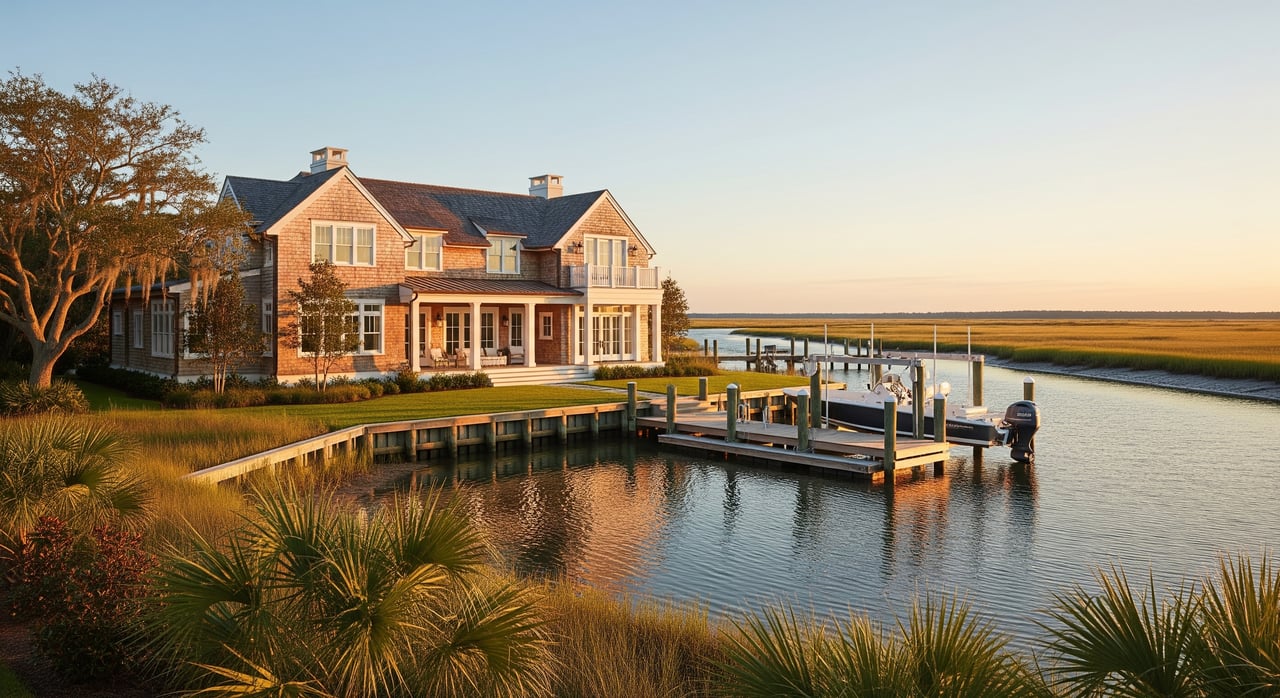
Carolina Forest’s master-planned layout often means there is a master association plus a neighborhood sub-association. Verify whether you will pay both and what each covers. Coastal weather risk can affect costs. Associations may have rules for shutters, roofing materials, and repairs after storms, and they may face higher replacement costs for common elements following severe weather.
For official documents, you can search recorded covenants and amendments with the Horry County Register of Deeds. Horry County Planning and Zoning can provide land-use and neighborhood context. Many associations post governing documents and contact details on management or community websites. Your listing agent, the seller’s attorney, and local real estate attorneys can help you obtain estoppel letters, interpret rules, and confirm lien status.
Buying in a planned community should feel confident, not confusing. With the right documents, a clear budget, and a plan for approvals and timelines, you can choose a Carolina Forest home that fits how you want to live.
If you are comparing Carolina Forest with nearby coastal North Carolina neighborhoods or want a step-by-step plan for HOA due diligence as you shop, connect with Karen Knight. You will get practical guidance, a clear process, and an efficient path to the right coastal home.
Stay up to date on the latest real estate trends.
Get assistance in determining current property value, crafting a competitive offer, writing and negotiating a contract, and much more. Contact Karen today.