You want to buy in Brunswick Plantation, but the talk about earnest money and due diligence fees feels confusing. You are not alone. North Carolina uses both an earnest money deposit and a separate due diligence fee, and each affects your risk and leverage. This guide breaks down what those terms mean, what’s typical in Calabash, and how to use them to write a strong, safe offer. Let’s dive in.
Earnest money basics in NC
Earnest money is your good‑faith deposit that shows the seller you are serious. In North Carolina, it is usually held in escrow by a closing attorney, title company, or sometimes a broker. If the sale closes, your earnest money is credited to your down payment or closing costs on the settlement statement.
North Carolina also uses a separate Due Diligence Fee (DDF). The DDF is paid directly to the seller for the right to investigate the home during the due diligence period and to cancel for any reason within that window. The DDF is commonly non‑refundable if you cancel during due diligence. The earnest money is typically refundable if you cancel during due diligence, subject to the exact contract language.
Standard NC contract forms separate these two items so buyers have time to inspect and confirm financing while sellers receive compensation for taking the home off the market.
Brunswick Plantation norms
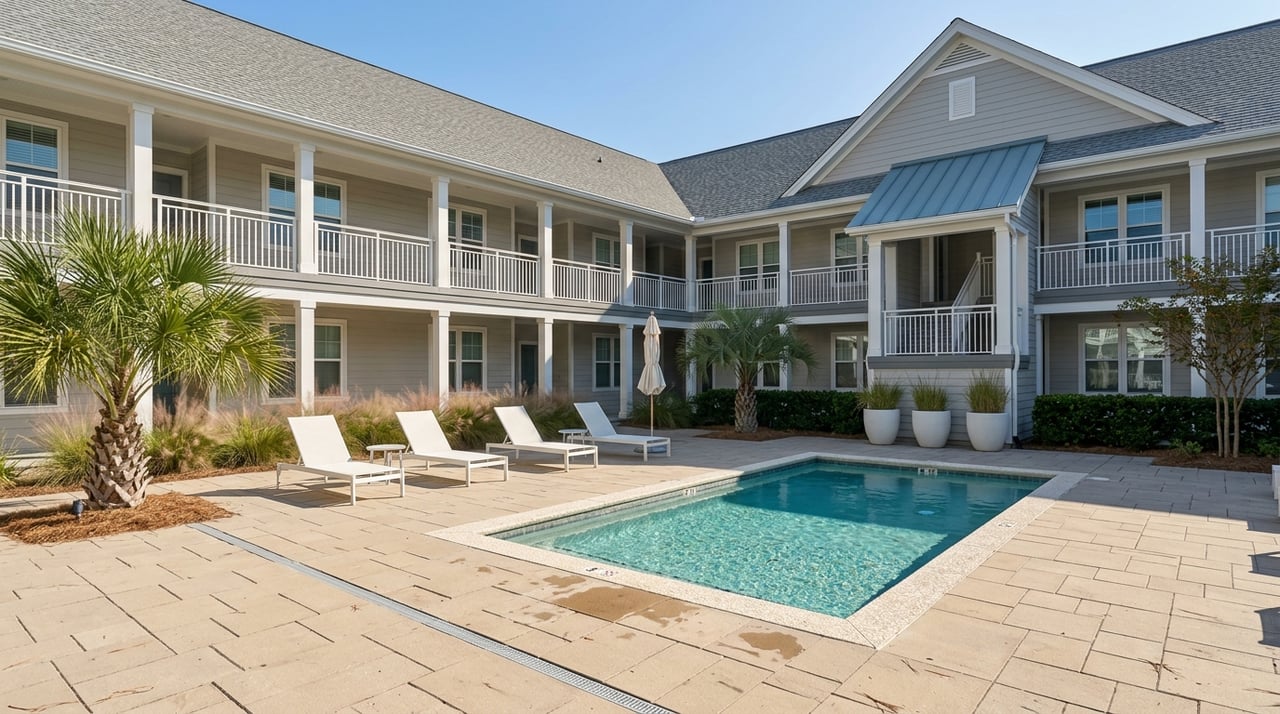
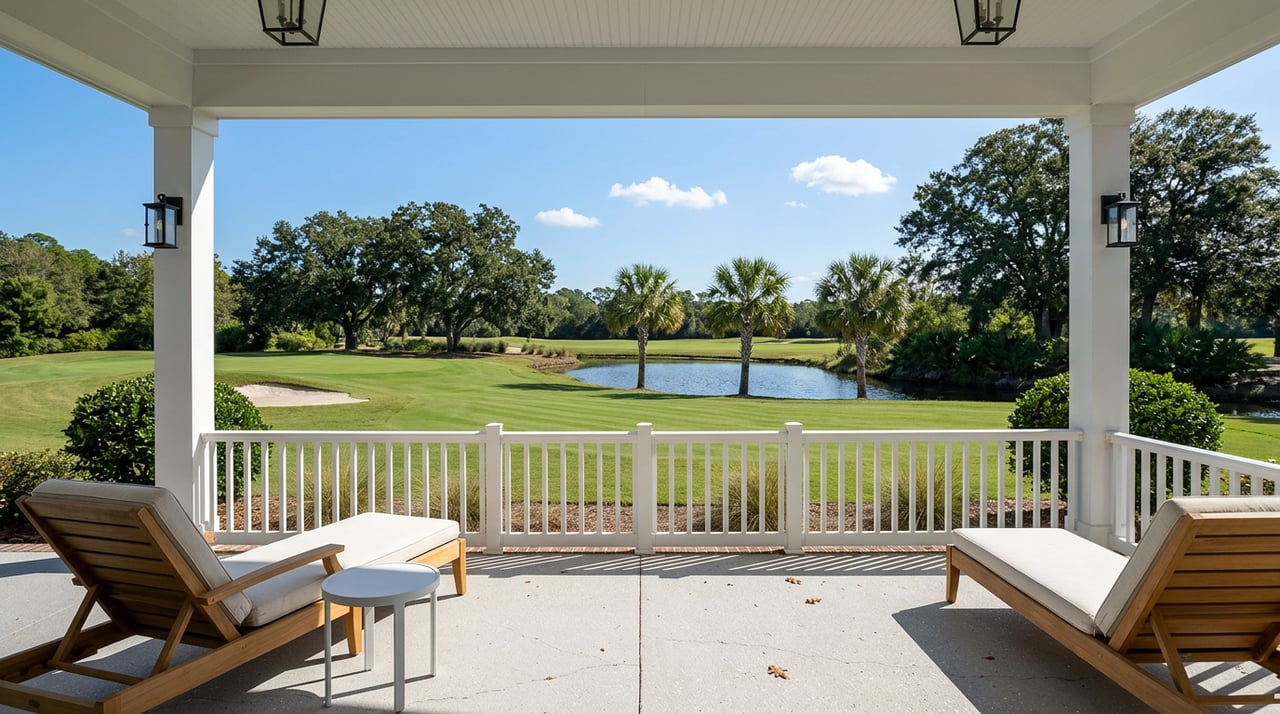
Move‑in ready homes and golf‑community properties in and around Brunswick Plantation can attract strong interest. Buyers often combine a confident earnest money deposit with a meaningful DDF and a focused due diligence period. The exact amounts are a strategic choice based on price point and competition.
Here are illustrative examples that reflect common ranges in Calabash:
- Example at $350,000: Earnest money around $3,500 (about 1%), DDF around $2,500, due diligence period about 10 days.
- Example at $450,000: Earnest money around 1% (about $4,500), DDF $2,500 to $4,000, due diligence period about 7 to 12 days.
- Example at $600,000: Earnest money $6,000 to $12,000 (about 1% to 2%), DDF around $5,000, due diligence period about 7 to 10 days.
These are examples to show how buyers balance flexibility and commitment. Work with your agent to match current neighborhood norms before you write the offer.
Typical timelines
Exact timelines are set by your contract, but you can expect a fast start after acceptance. Many buyers deliver both deposits within 1 to 3 business days. Confirm who holds the earnest money and how to pay each item.
- Earnest money deposit: Delivered quickly to the escrow holder named in the contract. The holder deposits the funds into a trust account and keeps accurate records.
- Due Diligence Fee: Paid to the seller when the contract is ratified or within the same short window. This payment gives you the right to investigate and cancel during due diligence.
- Due diligence period: Often 7 to 14 days in many markets. Shorter periods can strengthen your offer, but only if your inspections and lender can move fast.
- Closing date: Set in the contract. The earnest money stays in escrow until closing or resolution of the contract.
Refunds and forfeiture
Your contract controls what happens to the money. Here are common outcomes in North Carolina:
- If you cancel during due diligence: The seller typically keeps the DDF. The earnest money is usually returned to you unless you agreed to something different in writing.
- If you cancel after due diligence: Your earnest money is at risk. The seller may keep it as liquidated damages, depending on the contract.
- If you default and fail to close without a valid contractual reason: The seller may be entitled to retain your earnest money and may have other remedies.
- If the seller defaults: Your earnest money is normally refunded or credited to you at closing if the deal proceeds later. You may have other remedies under the contract.
- If there is a dispute: The escrow holder will retain the funds until both sides sign a release or there is a court order or settlement per the contract’s dispute process.
Keep in mind that small wording differences in the contract can change the outcome. Ask your agent and closing attorney to review timing, remedies, and release procedures before you wire funds.
How funds apply at closing
At settlement, your earnest money appears on the Closing Disclosure as a credit to your cash to close. The DDF you paid to the seller is also reflected in the closing figures because it was part of your negotiated agreement. The net effect reduces the cash you need to bring to the table.
Offer strategies that work
You can shape your deposit strategy to fit the home and the level of competition in Brunswick Plantation. Consider these approaches:
- Increase the DDF and shorten due diligence. This signals strong commitment while limiting the length of time you are at risk of losing the DDF.
- Raise the earnest money deposit. Larger earnest money shows seriousness and can help your offer stand out, especially on well‑kept or golf‑community homes.
- Align financing timelines early. Talk with your lender to confirm appraisal and underwriting speed before you shorten due diligence.
- Use due diligence wisely. Complete inspections, confirm HOA details, and review insurance during the due diligence window.
- Avoid overcommitting. Do not pick a very large DDF or ultra‑short due diligence period if you need time for inspections or lender steps.
What to confirm on day one
When your offer is accepted, lock down the details right away so you do not miss a deadline. Use this quick checklist:
- Who is the escrow holder for earnest money and how do you pay it? Get the name, contact, and verified wiring instructions.
- Exact delivery deadlines for both the earnest money and the DDF. Confirm business days vs. calendar days and acceptable payment methods.
- The amounts you offered for both deposits and how they will be credited at closing.
- The length of your due diligence period and any contingencies you are relying on.
- What the contract says about remedies if you or the seller defaults, and how earnest money is treated as liquidated damages if applicable.
- How the escrow holder will handle disputes and what is required for release of funds.
- Confirmation that your agent and closing attorney will obtain receipts for all deposits.
Calabash scenarios to compare
Use these scenarios to think through risk and strength for a typical Brunswick Plantation purchase. Your numbers may vary based on the home and current demand.
- Conservative approach: $350,000 price, earnest money $3,500, DDF $1,500, due diligence 12 to 14 days. You keep more flexibility while the seller sees a serious offer.
- Balanced approach: $450,000 price, earnest money $4,500 to $6,000, DDF $2,500 to $3,500, due diligence 10 days. This often fits a moderate‑competition listing.
- Aggressive approach: $600,000 price, earnest money $10,000 to $12,000, DDF $5,000, due diligence 7 to 10 days. Useful for a standout home that is likely to draw multiple offers.
Each path has tradeoffs. Larger DDFs and shorter due diligence can win a close contest, but make sure your inspections and lender are ready to move fast.
How to protect your deposit
You can protect your earnest money and your DDF by planning your steps from the start.
- Schedule inspections right after ratification so you have time to respond before due diligence expires.
- Stay in daily contact with your lender during due diligence. Confirm appraisal timing and any documentation needed.
- Do not skip key reviews. HOA documents, insurance quotes, and flood or wind coverage questions can impact your decision.
- If a major issue appears, act within the contract timelines. The sooner you decide, the more protection you keep for your earnest money.
A small amount of upfront planning can save you from stressful, last‑minute choices.
Bottom line for Brunswick Plantation buyers
In North Carolina, you use both an earnest money deposit and a due diligence fee to show commitment. In Brunswick Plantation, a clear deposit plan matched to the home’s price and competition can make your offer stronger without adding unnecessary risk. Keep your timelines tight, move fast on inspections and financing, and confirm how every dollar is handled before you wire funds.
Ready to take the next step in Calabash? Reach out to Karen Knight for local insight on deposit strategies, timelines, and the current pace in Brunswick Plantation.
FAQs
What is earnest money in North Carolina?
- It is a buyer deposit held in escrow that shows good faith and is credited to your closing costs or down payment if the transaction closes.
How much earnest money do Calabash buyers typically put down?
- Many buyers offer about 1 percent of the purchase price, with higher deposits in competitive situations or on higher‑priced homes.
What is the due diligence fee and how is it different?
- The due diligence fee is a separate payment to the seller for the right to investigate and cancel during the due diligence period, and it is usually non‑refundable if you cancel in that window.
Who holds the earnest money in Calabash transactions?
- In North Carolina it is commonly held by the closing attorney or title company, and sometimes by a broker if specified in the contract.
Is earnest money refundable if I cancel after inspection in NC?
- If you cancel within your due diligence period, the earnest money is typically refunded to you while the seller keeps the due diligence fee; after due diligence, the earnest money is at risk.
What happens to earnest money if the seller breaches the contract?
- If the seller defaults, the earnest money is normally refunded to you or credited at closing, and you may have other contract remedies.