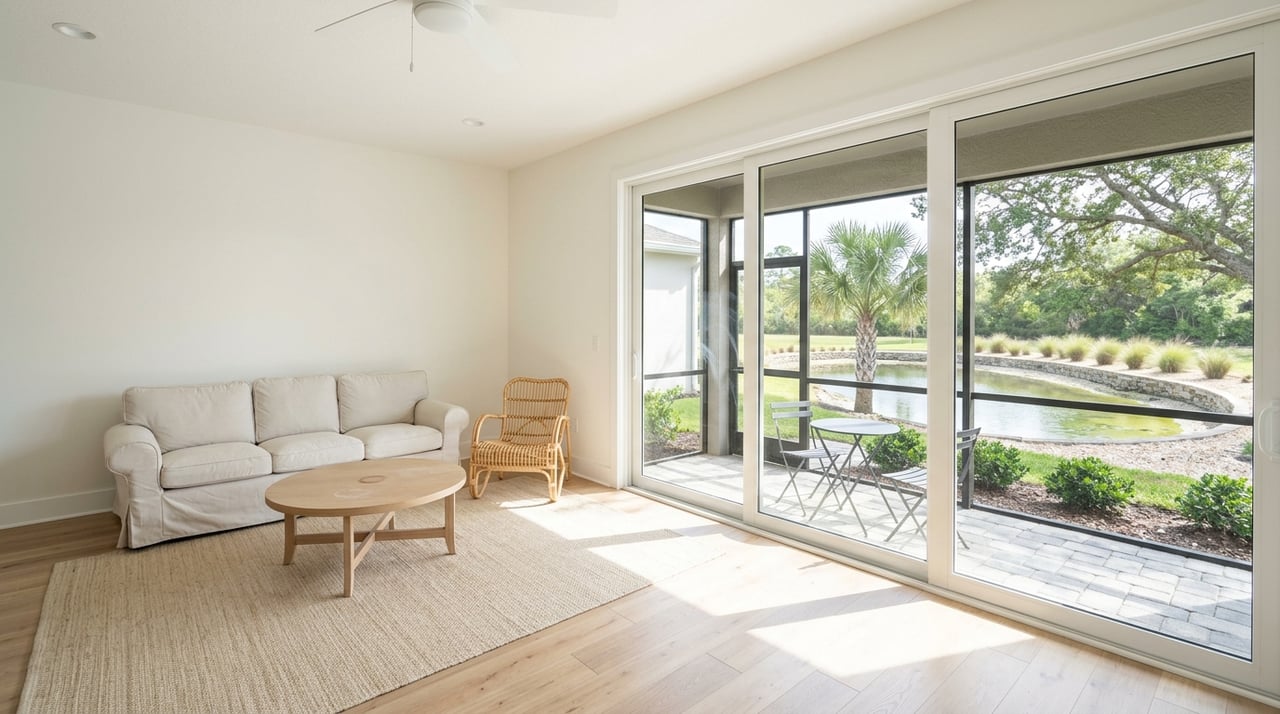
Is Tidewater Plantation Right For Your Second Home
July 2, 2026
July 2, 2026
Wondering whether Tidewater Plantation is the right kind of second-home community, or the kind that looks great online but feels too restrictive once you own there? That is a smart question to ask before you buy. If you are considering a second home in North Myrtle Beach, you need more than pretty photos and golf-course views. You need to know how the community works day to day, what ownership really costs, and whether the lifestyle matches how you plan to use the property. Let’s dive in.
Tidewater Plantation is a gated, amenity-rich community in North Myrtle Beach on Little River Neck Road. Public city records and community rules point to a controlled-access planned community with a more structured, HOA-driven setup. For many second-home buyers, that can be a plus because it supports a more organized, lock-and-leave lifestyle.
If you want a place that feels managed and predictable, Tidewater may check a lot of boxes. If you are hoping for a casual beach property with fewer rules, it may feel more limiting. That lifestyle difference is one of the biggest things to understand before you move forward.
Second-home buyers often want convenience, security, and amenities that make short stays easy. Tidewater Plantation appears to speak directly to that buyer profile. Owners in good standing can use the Beach Cabana House, and community access is managed through key fobs and RFID tags.
That setup supports easy in-and-out access while also showing that the community runs on established policies. Initial key fobs are issued at no charge, and replacement fobs cost $25. In practical terms, that means the neighborhood is designed for order and controlled access, not a free-form resort feel.
For many buyers, a second home works best when it is easy to leave for weeks at a time and return without a lot of hassle. A gated setting and organized amenity access can help create that experience. Tidewater Plantation appears well suited to buyers who value that kind of structure.
At the same time, you should expect rules to be part of everyday ownership. This is not the type of community where access and amenity use are handled casually. If you like clear systems and consistency, that may feel reassuring.
Tidewater Golf Club is an important part of the community identity, but it is not a private owners-only club. The course welcomes daily-fee players, vacationers, golf groups, and locals, and Joey’s Clubhouse Grille is also open to the public. That matters because buying in Tidewater does not automatically include private golf access.
For 2026, the Players Card new-member fee is $299, and annual golf membership options range from $2,685 to $8,065 depending on cart inclusion. If golf is central to your second-home plan, you will want to treat it as a separate budget item. If golf is just a bonus, the public-access model may be perfectly fine.
Some buyers picture themselves playing every week. Others simply like living near a course and enjoying the scenery. Tidewater can work for both, but the financial fit looks different depending on how much you will actually use golf amenities.
Because membership is separate, it is smart to run the numbers before you buy. That helps you decide whether the golf component truly adds value to your ownership experience.
If you are thinking about renting out your second home from time to time, Tidewater Plantation deserves a careful review. Community rules limit renters to the pool and hot tub, fitness center, and tennis courts. Renters may not use owner key fobs or bring guests into the amenities.
That is an important distinction. It suggests Tidewater is more owner-controlled than a pure vacation-rental community. If your goal is mostly personal use with occasional rental income, it may still work well. If you want a property built around broad guest access and resort-style rental flexibility, you may want to compare it with other options.
Before buying, be honest about how you plan to use the home. Will this be your getaway first and a rental second? Or do you want the home to function more like an income-producing vacation property?
In Tidewater, that answer matters. The community rules make it especially important to match the property to your intended use, not just the listing photos or the location.
One of the biggest mistakes buyers make in planned communities is assuming every property works the same way. In Tidewater Plantation, multiple condo sub-associations have their own boards and rules. That means dues, policies, and ownership details can vary depending on the building or property type.
In other words, you should evaluate Tidewater property by property, not as one single HOA experience. A detached home and a condo may come with different expectations and costs. That is why reviewing the specific association documents for the property you like is so important.
Recent public listing snapshots show HOA or POA fees around $179 to $190 per month for some homes and about $359 per month for at least one condo listing. Those figures are not a substitute for official fee information, but they do show that carrying costs can differ by sub-association and property type.
For a second home, those monthly costs matter because you are paying them whether you are there or not. It is worth comparing the dues with the amenities, rules, and maintenance expectations tied to each property.
A lot of buyers focus on purchase price and monthly dues, then get surprised by property taxes. In Horry County, a legal residence must be a permanent home and does not include property maintained mainly for vacation or recreational purposes. A second home is generally taxed at the 6% assessment ratio rather than the 4% legal-residence rate.
Horry County states that property taxes are calculated as fair market value multiplied by the assessment ratio and then by the millage. For most second-home buyers, that means Tidewater ownership will not get the same tax treatment as a primary residence. This is one of the most important budget items to confirm early.
South Carolina homestead relief applies to a legal residence, not a second home. If you are age 65 or older, or otherwise eligible, that distinction still matters. A vacation property in Tidewater will usually not qualify for the same primary-residence tax benefits.
That does not mean Tidewater is a poor choice. It just means you should budget for second-home ownership based on second-home rules.
Coastal lifestyle comes with coastal planning. North Myrtle Beach says the city is subject to flooding from the Atlantic Ocean, the Intracoastal Waterway, and inland waterways. The city also recommends checking flood maps and elevation certificates.
For any second home in this area, flood insurance and elevation should be part of your budget conversation. This is especially true if you want a property that is easy to own from a distance. Understanding flood-related costs up front can help you avoid surprises after closing.
If your ideal coastal getaway includes bringing a boat, trailer, RV, motorcycle, scooter, personal watercraft, or private golf cart, Tidewater may feel restrictive. Community rules generally do not allow those items to be parked, cleaned, or maintained within the Plantation or the Bluffs. A designated storage area exists for owners and house guests, which may help, but it is not the same as keeping those items at your property.
Tidewater Golf Club also says private golf carts are not permitted anywhere inside the gates or on the course. For buyers who want a neat, controlled environment, that may be a benefit. For buyers who want more freedom with coastal gear and parking, it may be a drawback.
Location still matters, even in a highly amenitized community. North Myrtle Beach is described in local tourism materials as a nine-mile beach town with wide sandy beaches, live entertainment, and a generally less crowded feel than the southern Grand Strand. That broader setting adds to Tidewater’s second-home appeal.
Nearby attractions commonly highlighted by the area include Cherry Grove Pier, Barefoot Landing, mini golf, Alligator Adventure, and Heritage Shores. Barefoot Landing combines shopping, dining, entertainment, and events along the Intracoastal Waterway. Cherry Grove Pier offers fishing and an observation deck, while Heritage Shores Nature Preserve adds walking paths and boardwalks in the marsh area.
Even if you buy primarily for weekends and vacations, think about how you will actually spend your time. Some buyers want a community-centered experience with golf, amenities, and beach access. Others want a home base for exploring dining, nature, entertainment, and the beach.
Tidewater sits in a part of North Myrtle Beach that gives you access to those attractions while still feeling more structured than a typical short-term resort setting. That balance can be a big plus for the right buyer.
Tidewater Plantation is likely a strong fit if you want:
It may be a weaker fit if you want:
Tidewater Plantation makes sense for buyers who want a more managed second-home experience in North Myrtle Beach. The gated setting, beach cabana access, and amenity structure can work well if you value convenience, order, and a lock-and-leave lifestyle. The tradeoff is that you need to be comfortable with community rules, separate golf costs, second-home tax treatment, and the limits that come with a more controlled environment.
If that sounds like your style, Tidewater could be a very solid match. If you want more flexibility for rentals, recreational vehicles, or a lower-rule setup, it may be worth comparing other coastal options before you decide.
If you want help sorting through Tidewater Plantation and comparing it to other second-home options, Premier Real Estate Solutions of the Carolinas can help you look at the details that really affect ownership, from taxes and flood considerations to HOA rules and lifestyle fit.
Stay up to date on the latest real estate trends.
Get assistance in determining current property value, crafting a competitive offer, writing and negotiating a contract, and much more. Contact Karen today.