First Coastal Home In Waterway Plantation Buyer Guide
June 25, 2026
June 25, 2026
Thinking about buying your first coastal home in Waterway Palms Plantation? It is easy to focus on the fun parts like the water access, gated setting, and neighborhood amenities, then get surprised by the costs and details that come with coastal ownership. If you want a clear plan before you tour homes or write an offer, this guide will walk you through what to budget, what to review, and what to verify in Carolina Forest before you buy. Let’s dive in.
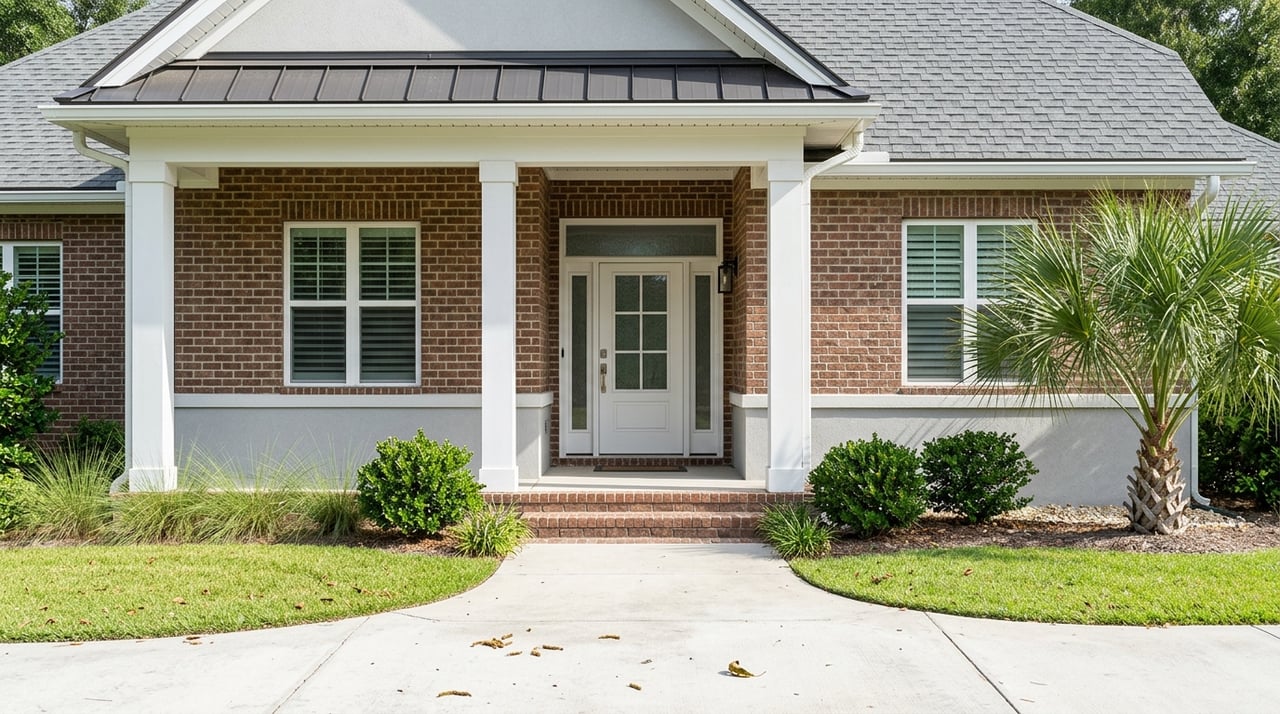
Waterway Palms Plantation is a gated, master-planned community in the Carolina Forest area with access to Highway 31, Highway 17, and Highway 501. The community is set along the Intracoastal Waterway and offers a mix of existing homes, homes under construction, vacant lots, and custom-build opportunities.
For many first-time coastal buyers, that range of options matters. You may be deciding between a move-in ready home, a newer home with fewer near-term projects, or a lot where you can build around your long-term goals.
The community site lists several amenities that can shape both your lifestyle and your budget. These include:
Those features can be a major plus if you want easy access to recreation close to home. They also help explain why HOA review is such an important part of the buying process.
One of the biggest mistakes first-time buyers make is treating the mortgage payment like the whole housing payment. For a coastal home in Waterway Palms, you need to look at the full picture before you decide what feels comfortable.
Your budget should include more than principal and interest. It should also account for property taxes, HOA dues, homeowners insurance, and possibly flood insurance depending on the property’s flood map status.
Closing costs typically run about 2% to 5% of the purchase price. That can add up quickly, especially if you are also paying for inspections, attorney-supervised closing expenses, and prepaid items collected at closing.
HOA dues are also usually paid directly to the association instead of being rolled into your mortgage payment. When you speak with lenders, share estimated taxes and HOA dues so your Loan Estimate is more realistic.
In a community like Waterway Palms, a preapproval letter helps show sellers that you are serious. It can strengthen your position when you are ready to make an offer, especially if a well-priced home attracts quick interest.
A preapproval is not a guaranteed loan, and it often expires in 30 to 60 days. That is why it helps to start early enough to fix credit issues, update documents, and compare lenders before you fall in love with a home.
When you are shopping lenders, request multiple Loan Estimates. Comparing them side by side can help you spot differences in rates, lender fees, and total closing costs.
This step is especially useful for first-time buyers because small differences on paper can change your monthly payment and your cash needed at closing. A lower rate does not always mean a lower total cost.
In Waterway Palms, the HOA review should go far beyond asking, “What are the dues?” The public community information for the neighborhood lists governing documents such as CC&Rs, by-laws, rules and regulations, clubhouse and pool rules, a clubhouse reservation form, and ARC guidelines.
That means the community may have rules that affect how you use the property and what exterior changes you can make. If you are buying with plans to add features, change landscaping, store equipment, or personalize the exterior, you need to know the rules up front.
Before or right after you write an offer, ask questions like:
For a first-time buyer, these answers can prevent surprises after closing. They also help you decide whether the community fits how you actually want to live.
Flood diligence is one of the most important parts of buying a coastal home in Carolina Forest. You should verify the property’s flood map status through Horry County’s GIS flood application, which allows searches by address and other property identifiers.
This is not something to leave until the last minute. A home in a FEMA Special Flood Hazard Area may require flood insurance, which affects both your monthly costs and your cash planning.
Flood damage is not covered by a standard homeowners policy in South Carolina. If flood coverage is needed, it is a separate issue from your regular homeowners insurance.
There is also an important timing detail. NFIP coverage generally starts 30 days after purchase unless a limited exception applies, so it is smart to address flood insurance early in the process.
If the property has an elevation certificate and meets program requirements, that can affect flood insurance pricing. Not every home will have one available, but it is worth asking about during your due diligence period.
For first-time buyers, this is one of those coastal details that can make a big difference in long-term affordability. The goal is not to assume. It is to verify.
South Carolina closings are typically attorney-supervised. That is a normal part of the transaction process in this state, so you should expect an attorney to play a key role as your purchase moves toward the finish line.
If you are relocating from another state, this may feel different from what you have seen before. It is not a red flag. It is simply part of how closings are generally handled in South Carolina.
Before closing, plan for a final walk-through. This gives you a chance to confirm the home’s condition and make sure any agreed repairs were completed.
For a coastal purchase, this step is especially important if the property had inspection items related to moisture, exterior wear, or storm-related issues. It is your last chance to confirm the home matches the terms of your agreement.
Owning near the coast means thinking beyond a standard homeowners policy. The South Carolina Department of Insurance states that standard homeowners insurance does not cover flood damage, including storm surge.
The state also points buyers toward mitigation credits and the SC Safe Home grant program. It recommends reviewing policies during hurricane season and considering catastrophe savings accounts for deductibles and other out-of-pocket storm costs.
When you compare homes, do not just compare prices. Compare the likely insurance picture too.
Two homes at similar price points may carry very different ownership costs if one has higher flood exposure or other insurance factors. That is why practical buyers treat insurance as part of the home search, not as an afterthought.
A first coastal home comes with a maintenance reality that buyers should plan for from day one. Wind, salt exposure, moisture, and storm events can all affect how you maintain the home and the yard.
Clemson Extension notes that coastal site planning should account for wind and salt exposure. It also notes that saltwater inundation can damage landscapes, and that salt-tolerant plants may be needed after storm events.
If you are looking at a waterfront lot or a canal-facing home, ask extra questions about shoreline conditions and drainage. Clemson’s stormwater-pond resources for HOAs and waterfront residents address issues such as shoreline erosion, poor water quality, nuisance wildlife, and other pond-aging concerns.
These are not reasons to avoid a property. They are reasons to understand the setting, the maintenance needs, and the rules that may apply.
Termites are another important part of coastal homeownership. Clemson says wood-destroying insects such as termites are a major category of home pests in South Carolina, and its drywood termite guidance notes that drywood termites are restricted to coastal areas where ocean moderation helps them survive.
That makes termite diligence especially relevant for buyers in the Carolina Forest and Myrtle Beach area. You should ask whether a recent wood-infestation report was completed and whether there is any treatment history that needs to be disclosed.
Keep your inspection questions simple and direct:
These questions can help you understand both current condition and future maintenance needs.
If you want a practical roadmap for buying your first home in Waterway Palms Plantation, keep it simple. Start with financing, confirm the real monthly cost, review the HOA packet early, and verify lot-level details before closing.
A strong plan usually looks like this:
Buying your first coastal home should feel exciting, not confusing. When you understand the local process and the real cost of ownership, you can move forward with a lot more confidence.
If you are exploring Waterway Palms Plantation or other coastal communities and want practical guidance every step of the way, connect with Premier Real Estate Solutions of the Carolinas.
Stay up to date on the latest real estate trends.
Get assistance in determining current property value, crafting a competitive offer, writing and negotiating a contract, and much more. Contact Karen today.